First Range Trip: The S&W 1854
Key Takeaways
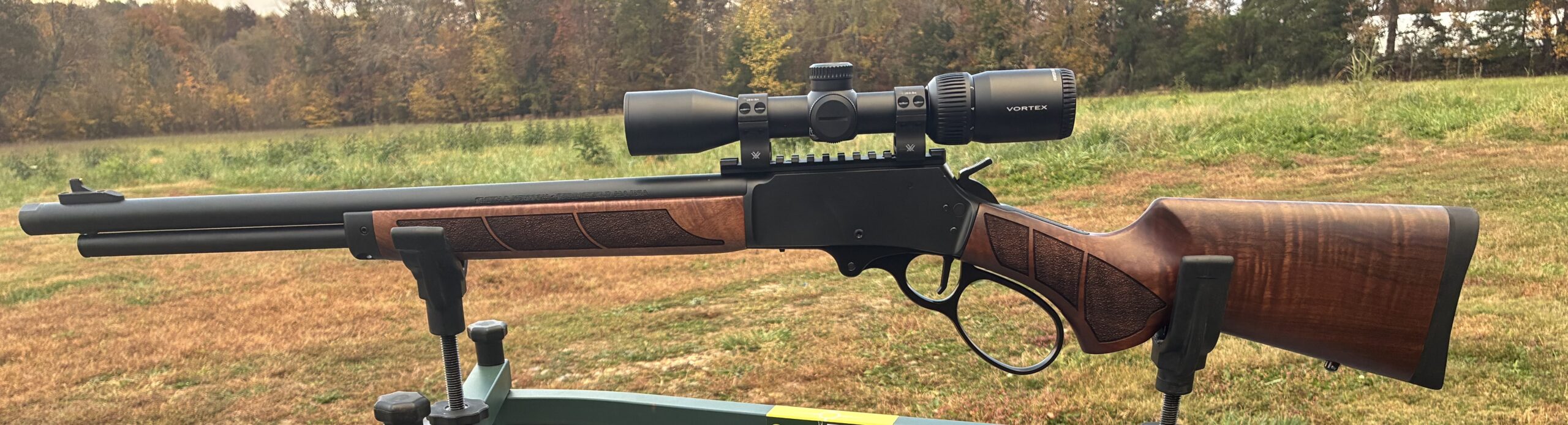
- The Smith & Wesson 1854 is a beauty of a rifle.
- The trigger from the factory left much to be desired, I took care of it on this rifle, but I think this should be better from the factory.
The Smith & Wesson 1854 in .30-30 Winchester
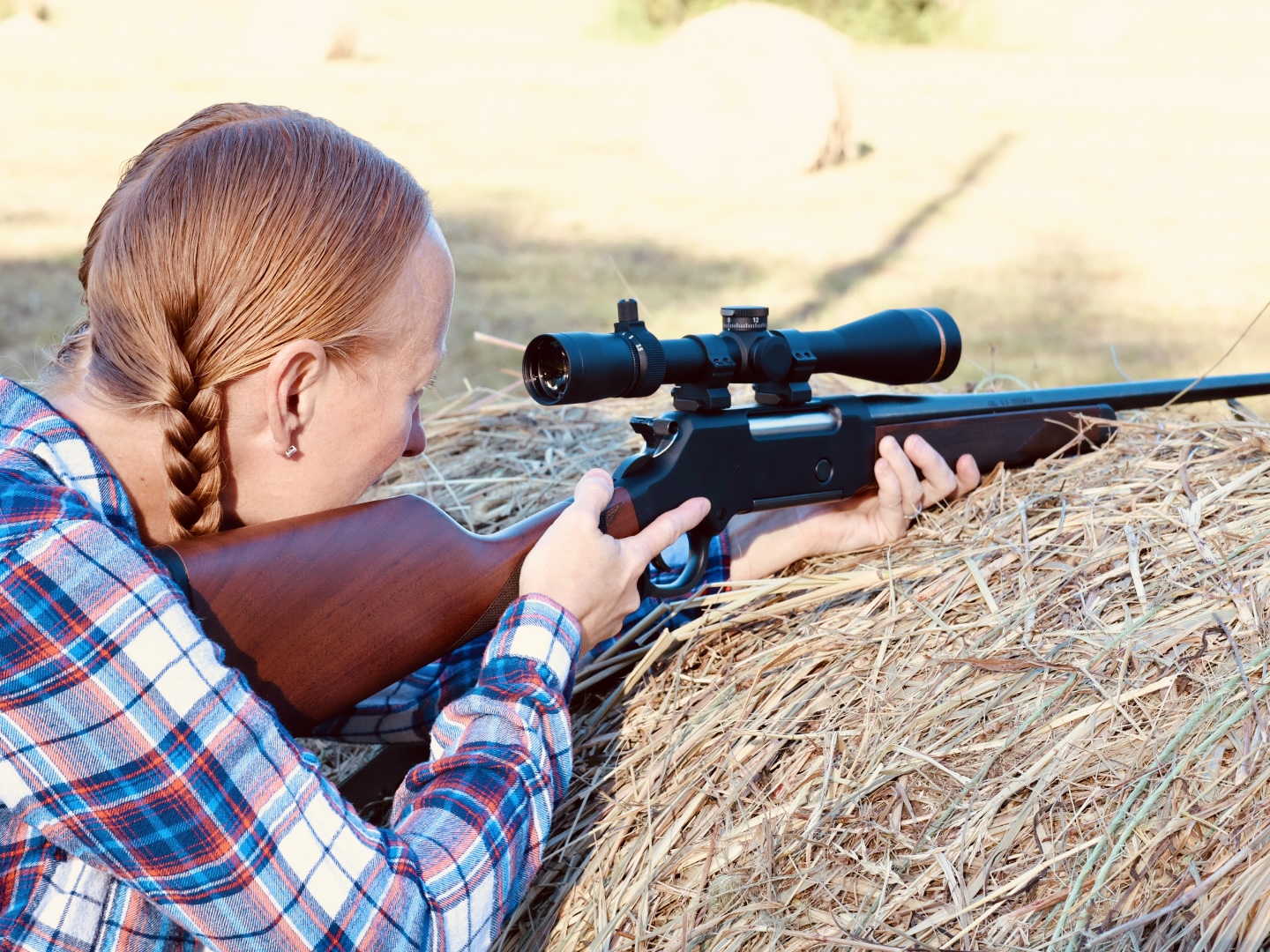
I’ve been looking forward to spending some time with the new Smith & Wesson 1854 chambered in .30-30 Winchester, and this morning I finally had the opportunity to take one to the range.
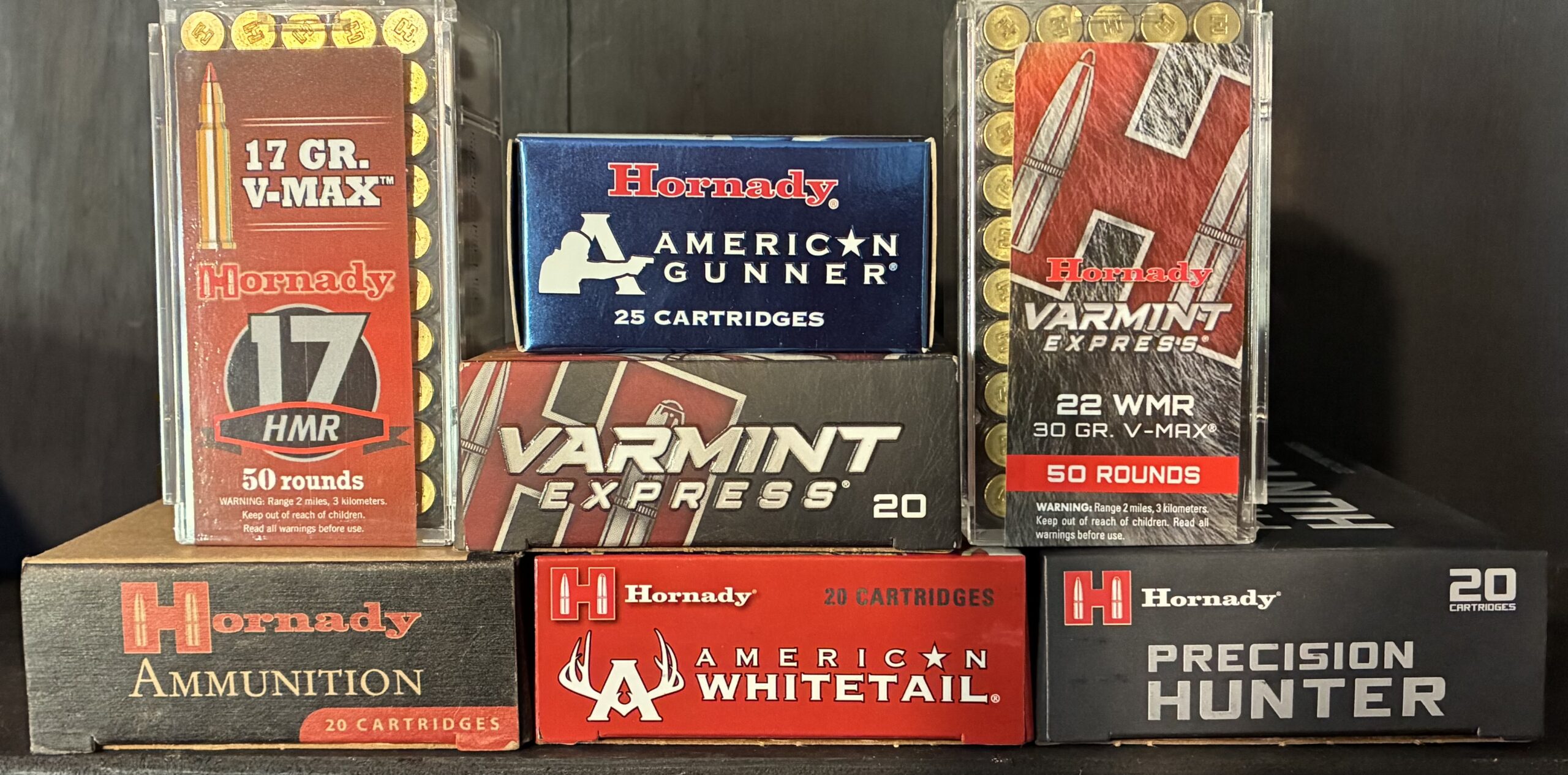
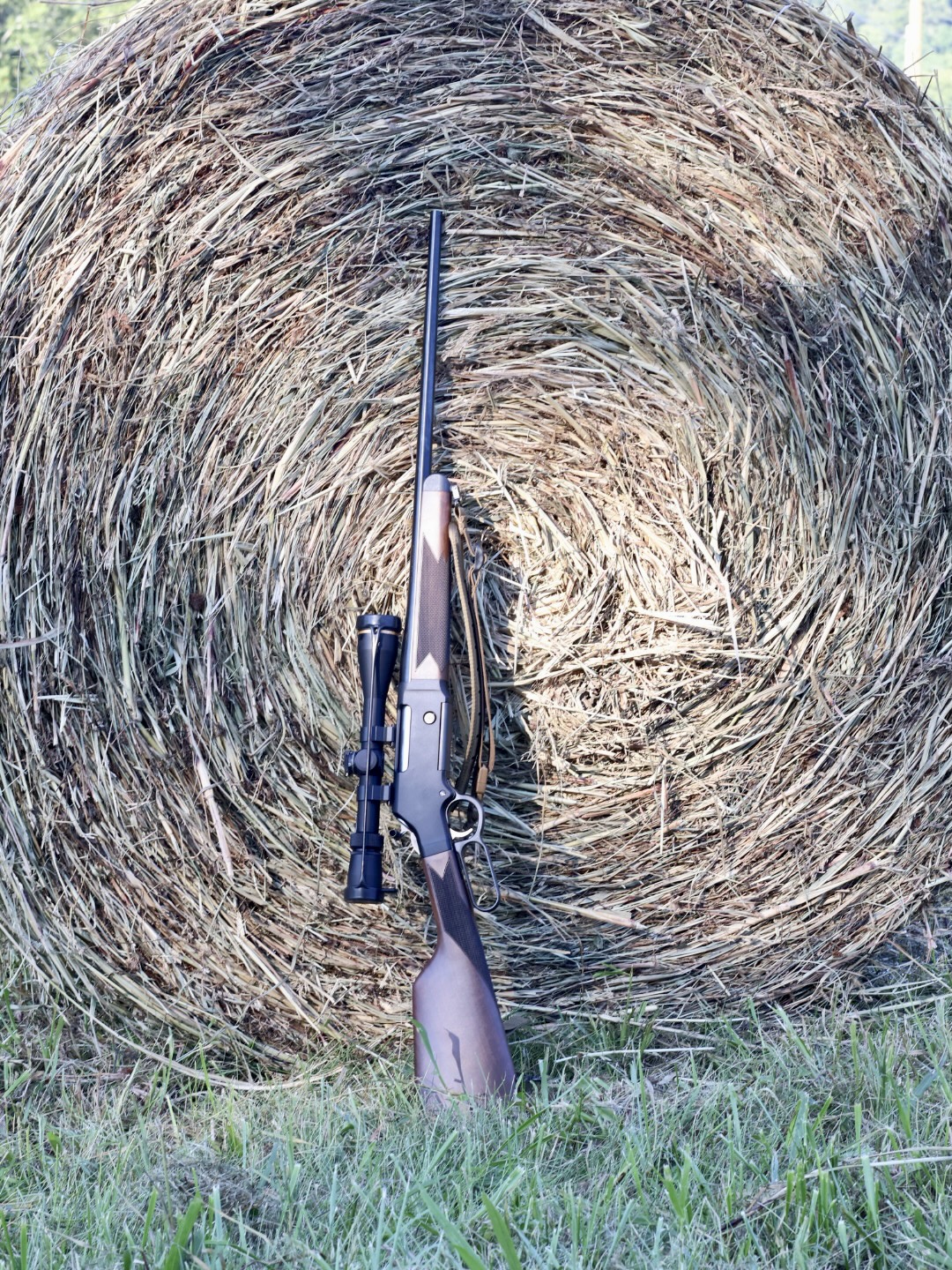
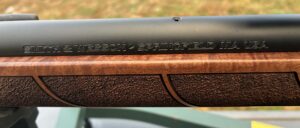
Before heading out, I mounted a 1791 Gunleather sling and grabbed a box of Hornady American Whitetail 150-grain ammunition. One thing that immediately caught my attention was the rifles appearance. Simply put, the rifle looks fantastic. Between the walnut stock, factory mounted Vortex optic, and overall fit and finish, Smith & Wesson built a rifle that certainly turns heads.
Before leaving the shop, I decided to put the rifle on the scale. With the Vortex optic installed, the rifle weighed in at 9 pounds, 4 ounces. That’s certainly more weight than many other hunters associate with traditional lever actions, but the optic package and substantial build contribute to a rifle that feels solid and purpose built.
First Impressions at the Range
Loading the rifle was uneventful. The 1854 fed cartridges smoothly and chambered the first round without issue.
Then I pulled the trigger.
At first, I genuinely thought something was wrong.
The trigger felt so heavy that I actually stopped and looked the rifle over to make sure there wasn’t a problem. Eventually the rifle fired, but the trigger pull immediately stood out for all the wrong reasons.
I fired the remaining two rounds and remained convinced that something wasn’t right.
Measuring the Trigger
Back at the shop, I grabbed a trigger gauge and a dummy round to investigate further.
After multiple measurements, the trigger pull averaged around 9 pounds. One pull even exceeded 18 pounds, which was difficult to believe until I saw it on the gauge.
I’ve handled a lot of firearms over the years, and this was one of the heaviest factory trigger pulls I’ve encountered on a new rifle
Making an Adjustment
Normally, I don’t like taking brand new firearms apart immediately.
In this case, however, I felt an exception was warranted.
After some careful polishing, filing, and stoning of the trigger components, I was able to reduce the pull weight to about 4.5 to 5 pounds.
Had this been my personal rifle, I may have continued refining the trigger a little further. Since this particular rifle is headed for the sales floor, I chose to leave it at a weight that remains suitable for hunting and field use.
Back to the Range
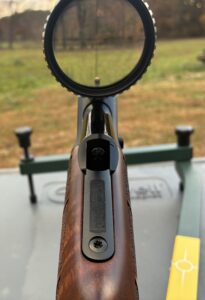
With the trigger improved, I returned to the range to verify zero.
The difference was immediately noticeable.
The rifle became far more agreeable to shoot, and the overall experience matched what I expected when I first picked it up. The action remained exceptionally smooth, feeding was reliable, and the rifle handled well.
In fact, I would put the action of this rifle up against just about any lever action I’ve handled. Smith & Wesson clearly spent a great deal of effort refining the cycling characteristics of the 1854.
Final Thoughts
My first range session with the Smith & Wesson 1854 was a tale of two experiences.
The rifle itself is beautiful. The walnut stock, Vortex optic package, and incredibly smooth action a strong first impression. Unfortunately, the factory trigger on this particular rifle was unusually heavy and significantly detracted from the initial shooting experience.
Fortunately, that issue was correctable.
Once the trigger was improved, the rifle became much more enjoyable to shoot and began to show the potential that had impressed me from the moment I first handled it.
This won’t be the last time I spend time behind a Smith & Wesson 1854, but after the first range trip, I’m optimistic about what this rifle can become.